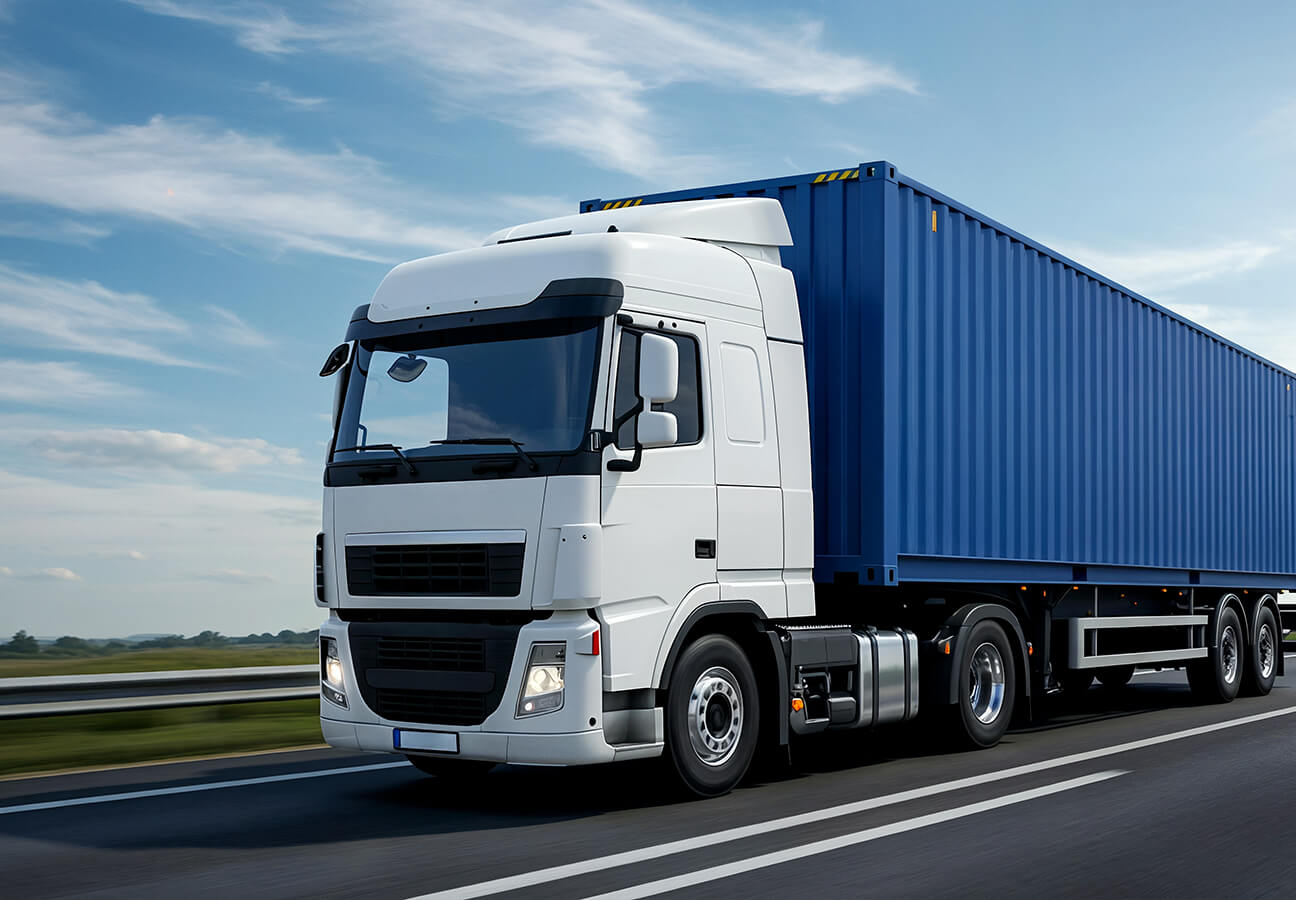
Freight forwarding is a critical part of global trade. For businesses in Nigeria importing or exporting goods, understanding how freight forwarding works can save time, reduce costs, and ensure compliance with customs regulations.
Key Takeaways
- Freight forwarding coordinates the transportation of goods across international and domestic routes.
- A freight forwarder handles logistics, documentation, customs clearance, and shipment tracking.
- Businesses benefit from reduced shipping risks, streamlined operations, and cost efficiency.
- Choosing a reliable freight forwarding partner in Nigeria ensures smooth import/export processes.
What is Freight Forwarding?
Freight forwarding is the service of arranging and coordinating the shipment of goods from one location to another, whether domestically or internationally. Freight forwarders act as intermediaries between businesses and transportation services, including airlines, shipping lines, trucking companies, and customs authorities.
Essentially, a freight forwarder ensures that cargo moves efficiently, safely, and legally from the point of origin to the final destination. By using their expertise, businesses can avoid common pitfalls in shipping, such as delays, incorrect documentation, or unexpected fees.
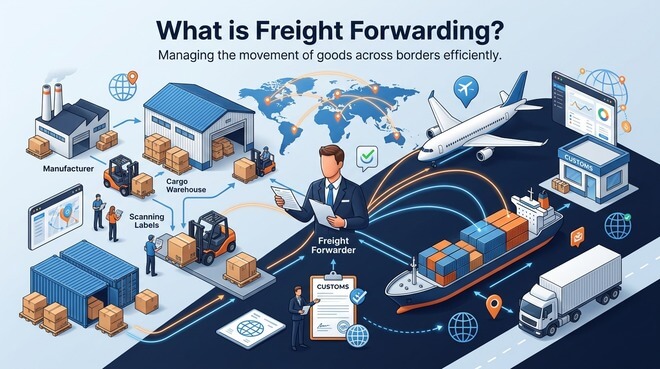
The Freight Forwarding Process: Step by Step
Understanding how freight forwarding works requires breaking down the process into key stages:
1. Cargo Planning and Consultation
Before shipping, the freight forwarder assesses the type of goods, weight, volume, origin, destination, and delivery timelines. They advise on the most cost-effective and efficient transport mode—air, sea, road, or a combination.
2. Booking Transportation
The freight forwarder secures space with carriers such as airlines, shipping lines, or trucking companies. They optimize routes and schedules to minimize delays and costs while meeting the client’s delivery requirements.
3. Documentation Preparation
Documentation is one of the most critical parts of freight forwarding. Proper paperwork ensures legal compliance and smooth customs clearance. Key documents include:
- Commercial invoice
- Bill of lading (B/L) or air waybill (AWB)
- Packing list
- Certificate of origin
- Customs declaration forms
Forwarders in Nigeria are familiar with local requirements and help businesses avoid fines, seizure of goods, or shipment delays.
4. Customs Clearance
Customs clearance involves the verification of documentation and payment of duties, tariffs, and taxes. Freight forwarders manage this process on behalf of their clients, liaising with Nigerian Customs Service officials to ensure goods are cleared efficiently.
5. Cargo Consolidation and Handling
For small shipments, freight forwarders often consolidate cargo into containers to reduce costs. They also handle packaging, labelling, and any special handling required for fragile or perishable goods.
6. Shipment Tracking and Monitoring
Modern freight forwarding includes end-to-end tracking. Businesses can monitor cargo in real time, ensuring visibility and proactive response to delays, weather disruptions, or logistical issues.
7. Delivery to Destination
Once cleared through customs and transported, the freight forwarder ensures the cargo reaches the final destination, whether a warehouse, retail outlet, or directly to a customer.


Modes of Freight Forwarding
Freight forwarding works through different transportation modes depending on urgency, cost, and nature of goods:
Air Freight
- Fastest shipping method
- Ideal for perishable, high-value, or urgent shipments
- Higher cost per kilogram
Ocean / Sea Freight
- Cost-effective for bulk shipments
- Longer transit times
- Suitable for heavy goods and large volumes
Road / Trucking
- Essential for domestic distribution
- Flexible routes to reach warehouses, factories, or customers
- Often combined with air or sea freight for door-to-door delivery
Multimodal Transport
- Combines air, sea, and road for efficiency and cost management
- Freight forwarders coordinate the handoff between modes to maintain delivery schedules
Common Challenges and How Freight Forwarders Solve Them
Businesses new to shipping often encounter issues like:
- Incorrect documentation: Leading to fines or delayed customs clearance.
- Lost or damaged cargo: Particularly during transfers or storage.
- High shipping costs: Due to inefficient routing or underutilized cargo space.
- Regulatory compliance: Changing rules for imports, exports, and taxes.
Freight forwarders mitigate these challenges by managing paperwork, negotiating rates, consolidating shipments, monitoring cargo, and staying up to date with regulatory changes.
Choosing the Right Freight Forwarder in Nigeria
Selecting a reliable freight forwarder can determine the success of import/export operations. Businesses should consider:
- Experience and reputation – Years of operation, verified client testimonials, and successful shipments.
- Service coverage – Ability to handle air, sea, road freight, customs clearance, and warehousing.
- Technology – Shipment tracking, reporting, and digital communication platforms.
- Compliance expertise – Knowledge of Nigerian customs laws and international trade regulations.
- Customer support – Responsive logistics advisors to guide clients through complex shipping operations.
VPD Success Logistics provides all these advantages, ensuring Nigerian businesses can move cargo efficiently and legally.
Benefits of Using Freight Forwarding Services
Freight forwarding is more than transportation. Its benefits include:
- Efficiency: Streamlined operations and time-saving solutions for imports and exports.
- Cost savings: Access to discounted carrier rates and cargo consolidation.
- Risk management: Professional handling reduces loss, damage, or misrouting.
- Regulatory compliance: Avoid costly penalties with correct documentation.
- End-to-end accountability: One point of contact for all shipping, customs, and delivery needs.
Freight Forwarding for SMEs and E-Commerce
For small and medium-sized businesses, freight forwarding enables international trade without the complexity of managing multiple carriers and customs processes. E-commerce sellers, in particular, benefit from warehousing, last-mile delivery, and tracking solutions that ensure customer satisfaction.
Understanding how freight forwarding works empowers businesses in Nigeria to make informed shipping decisions. By partnering with a reliable freight forwarder like VPD Success Logistics, companies gain access to expert guidance, regulatory compliance, cost-effective shipping, and timely cargo delivery.
Whether you are importing raw materials, exporting goods, or running an e-commerce operation, professional freight forwarding simplifies logistics and supports business growth.


Leave a comment